Transient voltage spikes enter residential electrical panels silently dozens of times each day. While direct lightning strikes receive the most attention, small internal surges from cycling heat pumps, HVAC compressors, and kitchen appliances steadily erode modern microcircuits until unexpected equipment breakdown happens.
Frequent Breaker Trips and Unexplained Appliance Resets
Digital clocks blinking 12:00 on ovens and microwaves without an obvious utility outage point directly to brief line spikes. Inductive motor loads generate high reverse-voltage spikes when shutting down. Those transient impulses bounce back into internal branch circuits, stressing breaker solenoids and triggering spurious AFCI or GFCI trip events.
Upwards of 80% of transient power spikes originate internally from large inductive home loads. Standard plug strips degrade after absorbing multiple minor transients, silently failing to divert subsequent destructive voltage spikes.
Observable Warning Signals Across Home Wiring
Physical deterioration often shows up on receptacles and smart controllers before a major failure occurs. Inspect your living spaces regularly for these clear operational red flags:
- Flickering or momentary dimming of LED lighting when air conditioning or laundry motors engage.
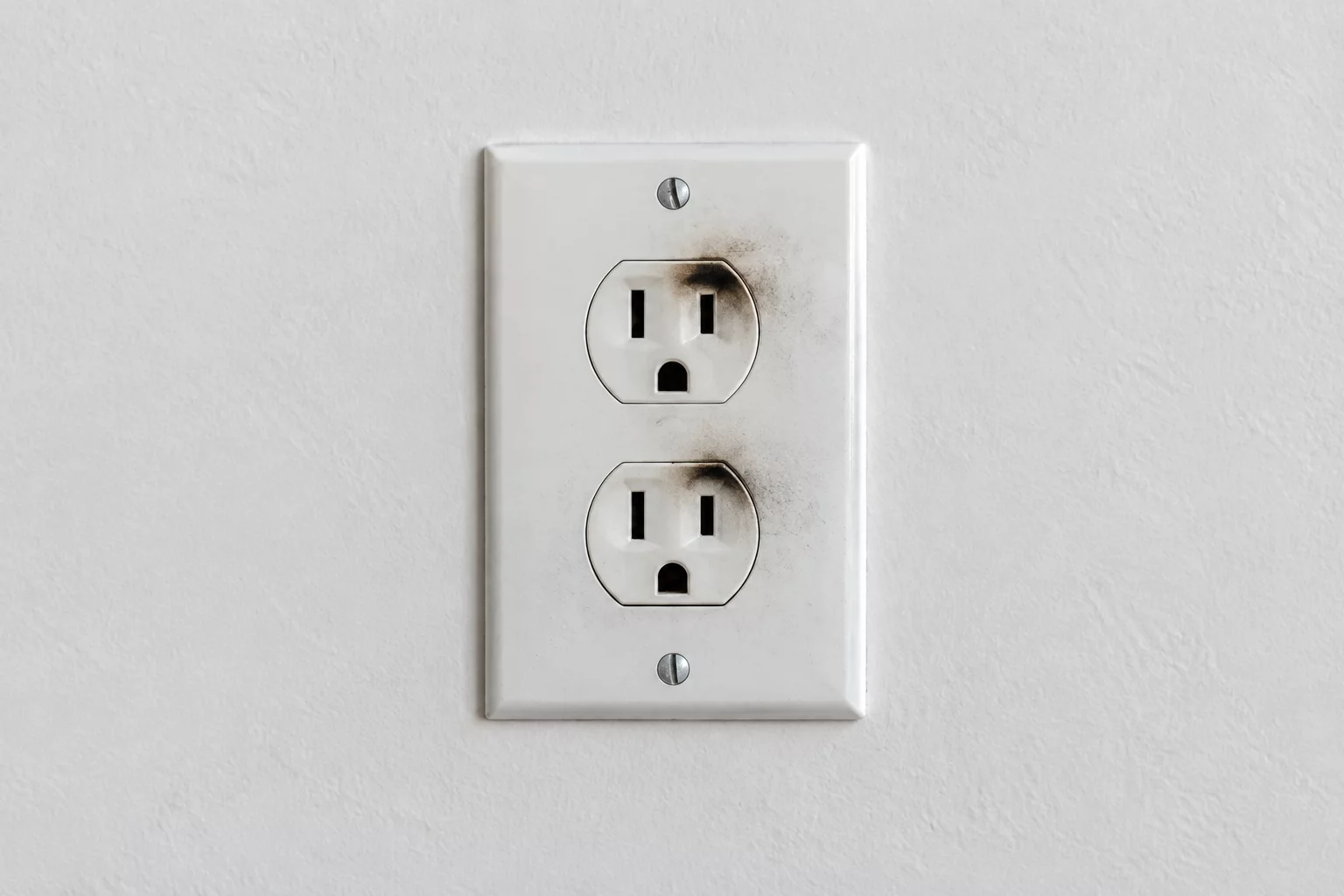
- Discolored outlet faceplates, subtle burning smells, or mild buzzing sounds from toggle switches.
- Recurring Wi-Fi router reboots, smart bulb driver dropouts, and corrupted smart thermostat settings.
Implementing Layered Protection to Eliminate System Risks
Eliminating continuous electrical stress requires a tiered suppression architecture. Installing a Type 1 or Type 2 whole-home surge protector directly on the main panel clamps severe utility surges at the entrance. Pairing panel protection with dedicated smart voltage relays ensures that sudden brownouts or continuous over-voltage conditions never reach vulnerable inverter boards.
Community Reviews & Diagnostics
Share technical insights & residential installation notes
Marcus Vance
Verified ClientFacilities Director • 400A Service Upgrade Review
The grid fluctuation audit and Type 1 SPD topology recommended by the engineering team resolved our transient surge issues instantly. Their mathematical modeling and load balance analysis saved us an estimated 28% in unneeded panel replacements.
Submit Your Diagnostic Review
Your input is processed and stored locally for electrical quality benchmark tracking.